
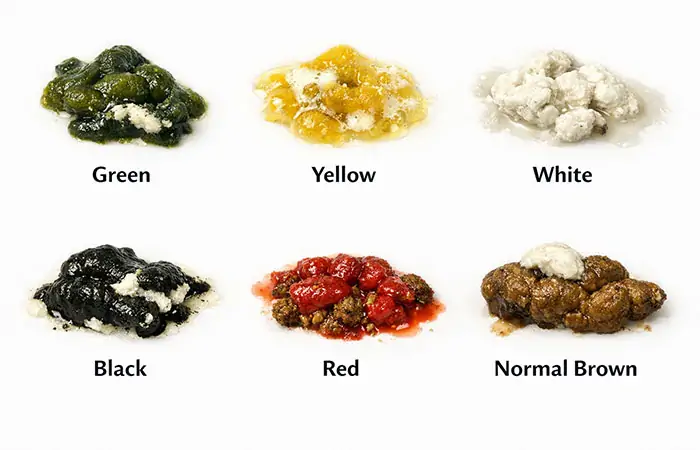
If you raise chickens—whether in a backyard or a large-scale poultry farm—there’s one simple habit that can save you from major losses: checking chicken poop daily.
It might not sound pleasant, but chicken droppings are one of the fastest and most accurate indicators of flock health. Changes in color, texture, or consistency often appear before other symptoms, giving you a crucial early warning.
In this guide, you’ll learn how to identify diseases based on chicken poop color, understand what’s normal, and take action before small issues become serious outbreaks.
Why Chicken Poop Is a Critical Health Indicator
Chicken droppings reflect what’s happening inside the bird’s digestive system. Unlike many animals, chickens show visible digestive changes quickly, making their waste a powerful diagnostic tool.
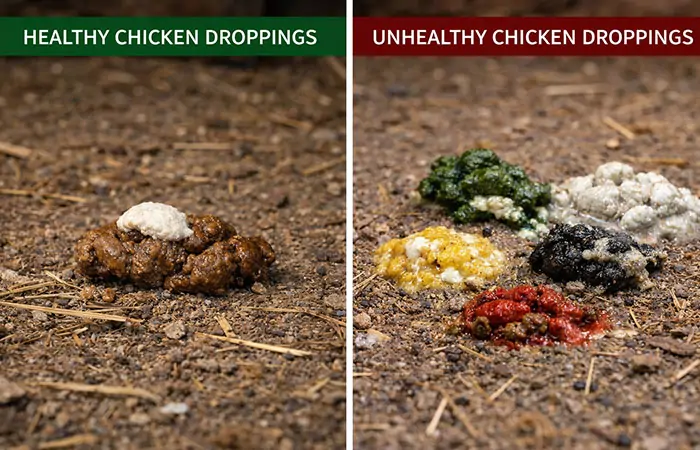
Healthy chickens typically produce firm droppings with a white cap (urates). When something goes wrong—whether it’s infection, parasites, or poor nutrition—the poop changes almost immediately.
👉 Featured Snippet Answer:
Chicken poop color helps diagnose diseases because digestive, bacterial, and parasitic infections directly affect waste color, texture, and frequency.
What Does Normal Chicken Poop Look Like?
Typical Healthy Chicken Droppings
-
Brown or greenish solid center
-
White uric acid cap
-
Firm but not dry
Cecal Poop (Often Confused as Disease)
Chickens also produce cecal droppings:
-
Dark brown
-
Sticky
-
Strong smell
These occur every 8–10 droppings and are completely normal.
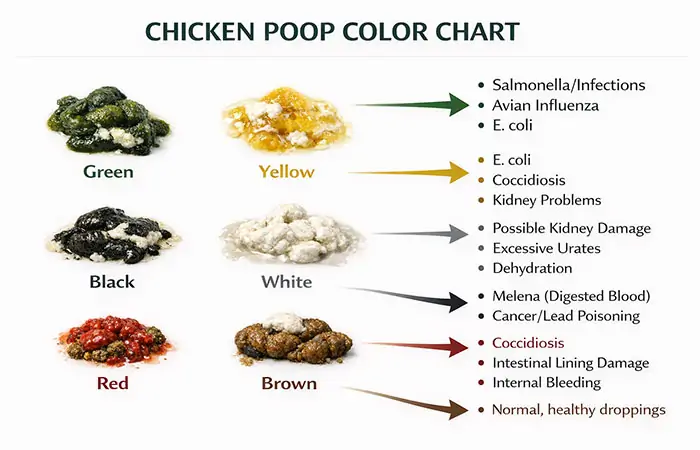
Chicken Poop Color Chart (Quick Diagnosis Guide)
👉 Featured Snippet Optimized Table
| Color | Meaning | Possible Issue | Severity |
|---|---|---|---|
| Green | Not eating / infection | Newcastle disease | High |
| Yellow | Digestive infection | Liver issues | High |
| White | Excess urates | Kidney disease | High |
| Black | Digested blood | Internal bleeding | Critical |
| Red | Fresh blood | Coccidiosis | Critical |
| Watery | Loose stool | Stress / infection | Medium |
Green Chicken Poop – Causes and Risks
Green droppings are one of the most searched warning signs.
Common Causes:
-
Starvation (chicken not eating)
-
Viral infections (e.g., Newcastle disease)
-
Stress or sudden environmental change
When to Worry:
If green poop appears with:
-
Lethargy
-
Weight loss
-
Loss of appetite
👉 Immediate action is required.
Yellow Chicken Poop – A Sign of Infection
Yellow or mustard-colored droppings often point to serious digestive issues.
Possible Causes:
-
Bacterial infection
-
Liver dysfunction
-
Early-stage coccidiosis
White Chicken Poop – Kidney or Bacterial Disease?
White droppings may indicate:
Causes:
-
Excess uric acid (kidney problems)
-
Pullorum disease (common in chicks)
Key Warning:
If poop is entirely white and watery, isolate the bird immediately.
Black Chicken Poop – A Dangerous Sign
Black droppings usually indicate internal bleeding.
Possible Causes:
-
Digestive tract injury
-
Severe infection
👉 This is a high-risk symptom—seek veterinary help quickly.
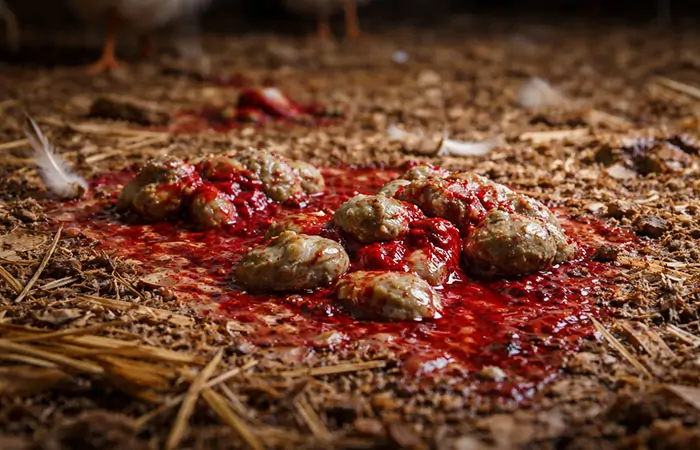
Bloody Chicken Poop – Classic Sign of Coccidiosis
If you see red or bloody droppings, the most likely cause is coccidiosis, a common and deadly parasitic disease.
Symptoms:
-
Blood in feces
-
Weakness
-
Rapid weight loss
What to Do:
-
Isolate infected chickens
-
Use anticoccidial medication
-
Clean and disinfect the coop
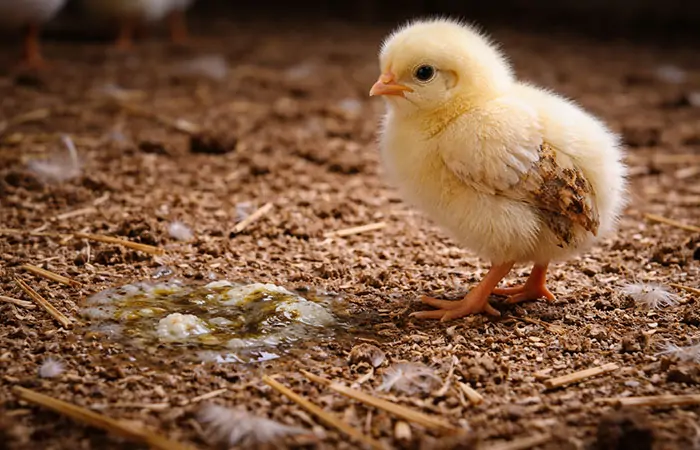
Watery & Foamy Chicken Poop – Understanding Diarrhea
Not all diarrhea means disease, but it should never be ignored.
Causes:
-
Heat stress
-
Excess water intake
-
Sudden diet change
-
Infection
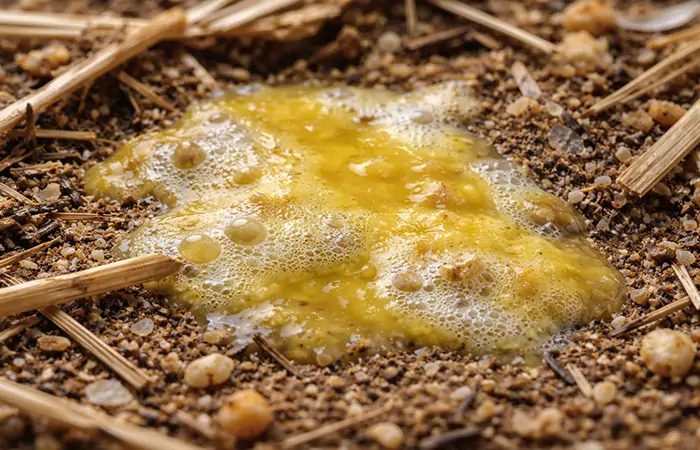
Foamy Droppings:
Foamy or bubbly poop often indicates:
-
Bacterial imbalance
-
Gut infection
Worms and Parasites in Chicken Poop
Sometimes, the problem is visible.
Signs:
-
Worms in droppings
-
Mucus-like texture
-
Irregular consistency
Solution:
-
Regular deworming
-
Clean feeding systems
Baby Chick Poop vs Adult Chicken Poop
Chicks are more sensitive and prone to disease.
Normal Chick Poop:
-
Soft but formed
-
Light brown
Warning Signs:
-
White diarrhea (Pullorum)
-
Watery stool
-
Pasting (droppings stuck to vent)
How to Treat Abnormal Chicken Poop (Step-by-Step)
Step 1: Identify the Color
Use the color chart to narrow down causes.
Step 2: Isolate the Chicken
Prevent disease spread.
Step 3: Provide Clean Water & Electrolytes
Step 4: Use Medication
-
Antibiotics (if bacterial)
-
Anticoccidials (if parasites)
Step 5: Improve Hygiene
How to Prevent Chicken Diseases (Pro Tips)
Prevention is always cheaper than treatment.
Key Practices:
-
Maintain clean coop conditions
-
Use high-quality feed
-
Ensure proper ventilation
-
Regular health checks
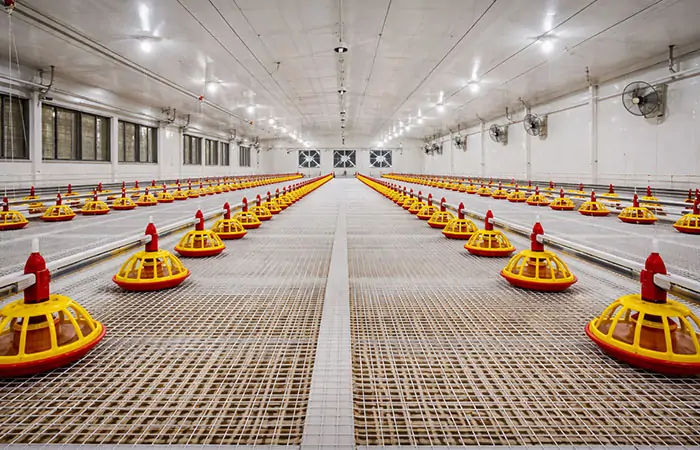
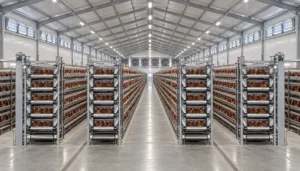
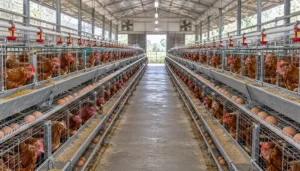
Insight: Improve Poultry Hygiene with the Right Equipment
For large-scale poultry farms, hygiene control is essential.
Using high-quality wire mesh solutions can help:
-
Improve drainage systems
-
Separate waste efficiently
-
Enhance ventilation
-
Reduce bacterial growth
👉 This is especially important in:
-
Broiler farms
-
Egg production facilities
-
Hatcheries
Call to Action:
Looking to upgrade your poultry farm hygiene system?
Sheedoz poultry provides manure removal system and Automatic Ventilation solutions for modern farming environments. Contact us for customized designs.
When Should You Call a Veterinarian?
Seek professional help if:
-
Symptoms last more than 48 hours
-
Blood appears in droppings
-
Multiple chickens are affected
FAQs About Chicken Poop
What color is unhealthy chicken poop?
Any unusual color such as green, yellow, black, or bloody may indicate disease.
Why is my chicken poop watery?
It can be caused by stress, heat, diet changes, or infection.
Is green poop always bad?
Not always—but if combined with other symptoms, it may signal serious illness.
What does coccidiosis poop look like?
Typically bloody or reddish droppings.
Conclusion
Chicken poop may not be pleasant to look at—but it’s one of the most powerful tools for early disease detection.
By understanding the meaning behind different colors, you can:
-
Act faster
-
Prevent outbreaks
-
Protect your flock
-
Reduce economic losses
In poultry farming, small details make a big difference—and chicken poop is one detail you should never ignore.
 EN
EN  ES
ES  FR
FR  AR
AR  PT
PT  DE
DE