
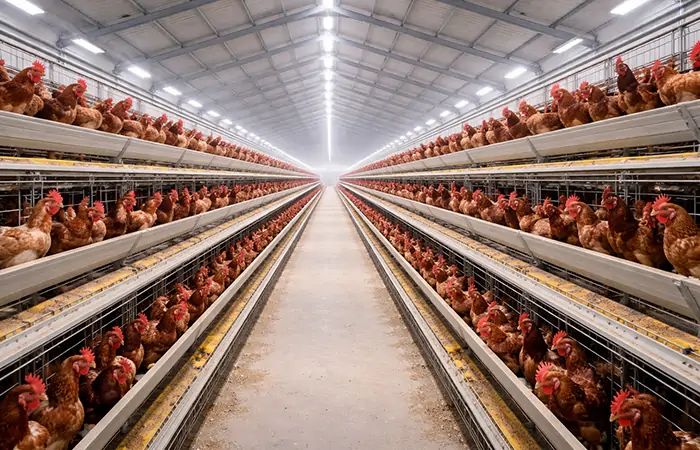
Introduction to Layer Farming Business
Layer farming, also known as egg poultry farming, is one of the most profitable and scalable agribusiness opportunities worldwide. With the increasing global demand for poultry and eggs, starting a layer farm has become an attractive investment for both new entrepreneurs and established agricultural businesses.
Eggs are a staple food in many diets, making chicken egg production a stable and recession-resistant industry. Whether you’re planning a small-scale farm or a large commercial operation, understanding the fundamentals of layer farming is essential for long-term success.
Understanding the Layer Farming Industry
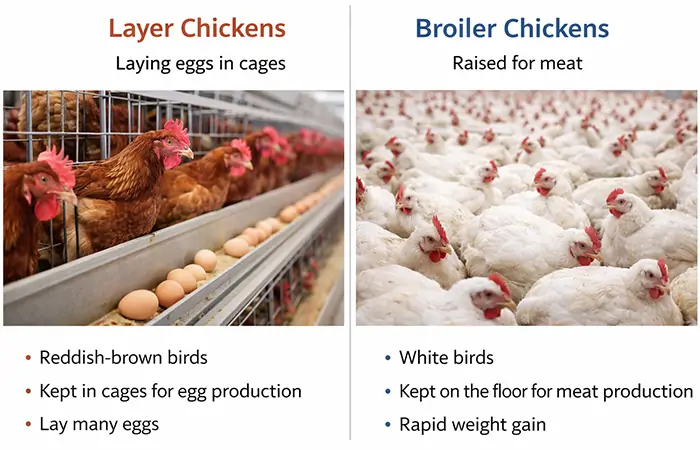
What is a Layer Chicken?
Layer chickens are specifically bred for egg production. Unlike broilers, which are raised for meat, layers are optimized for consistent and high-volume egg-laying.
- Start laying eggs at: 18–20 weeks
- Peak production: 25–30 weeks
- Productive lifespan: up to 72–80 weeks
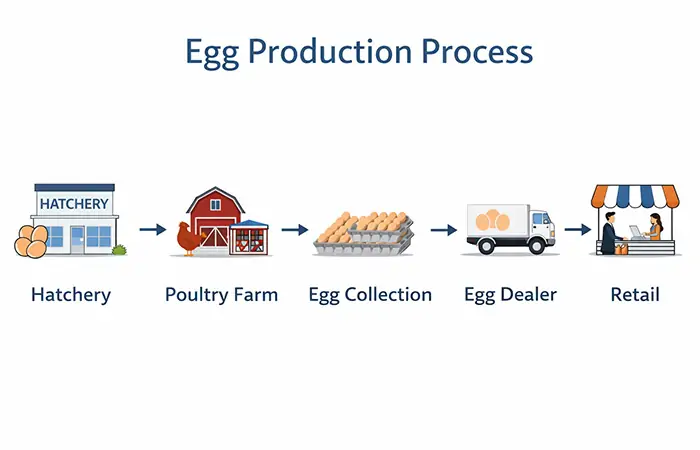
Egg Production Value Chain
A typical egg farming business operates within a structured supply chain:
- Hatchery (day-old chicks)
- Layer farm (egg production)
- Egg dealer business (distribution)
- Retail & end consumers
Understanding this value chain helps farmers identify profit opportunities beyond just production.
Step-by-Step Guide to Start a Layer Farm
Step 1 – Market Research & Business Planning
Before starting, conduct thorough market research:
- Analyze local demand for eggs
- Identify competitors and pricing
- Explore distribution channels
A solid poultry farm business plan should include:
- Investment estimation
- Production capacity
- Revenue forecast
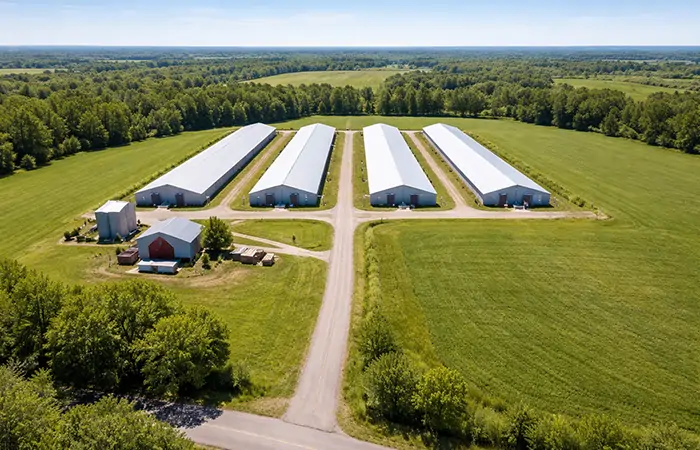
Step 2 – Choosing the Right Location
Location is critical for poultry farming success:
- Away from residential areas
- Good road access for logistics
- Availability of clean water
- Proper drainage system
Biosecurity should be a top priority to prevent disease outbreaks.
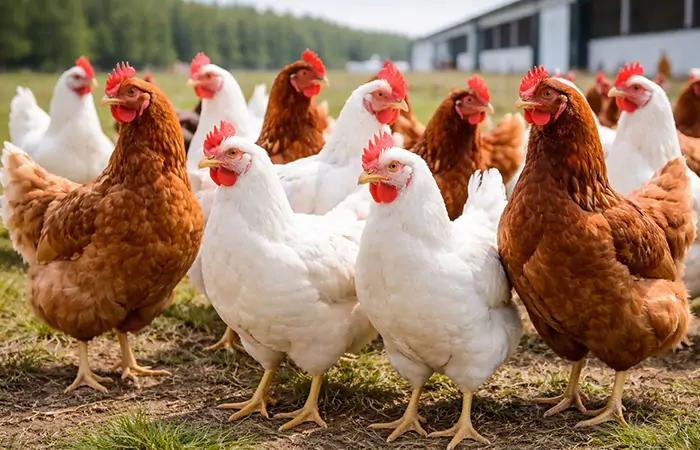
Step 3 – Selecting the Right Layer Breeds
Choose breeds known for high egg production:
- White Leghorn
- Rhode Island Red
- Hy-Line Brown
Commercial hybrid layers typically produce more eggs and are preferred for large-scale operations.
Step 4 – Poultry Housing System
Housing directly impacts productivity and efficiency.
Types of Systems:
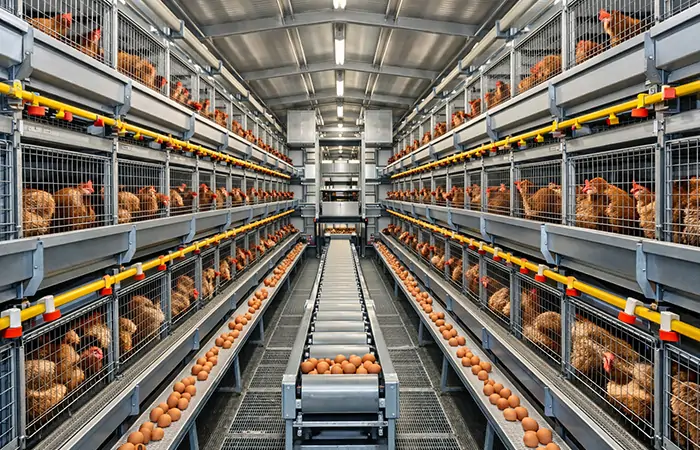
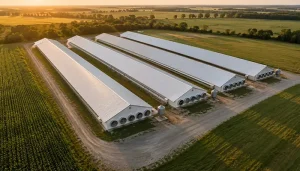
- Cage system (most efficient for commercial farms)
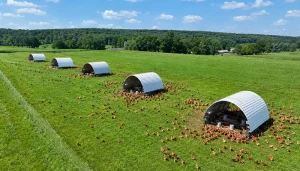
- Cage-free system (higher welfare, higher cost)
Recommended: Layer Cage System
- A-type layer cages (cost-effective)
- H-type automatic cages (high efficiency, automation)
Key requirements:
- Proper ventilation
- Controlled lighting (16 hours/day)
- Temperature management
Step 5 – Equipment Needed for Egg Production
To run a professional poultry farm, you need:
- Layer cages
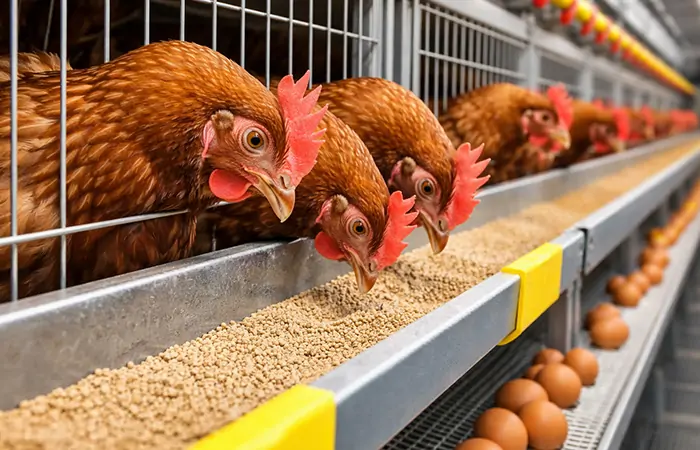
- Automatic feeding system
- Nipple drinking system
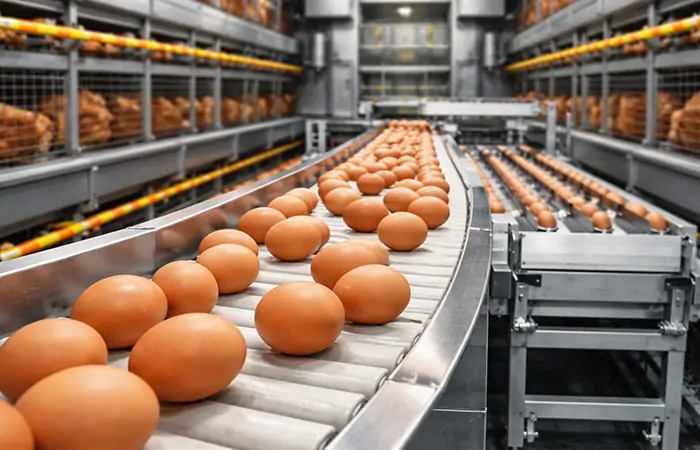
- Egg collection system
- Manure removal system
Modern automation significantly reduces labor costs and improves productivity.
Feeding & Nutrition Management
Feed accounts for 60–70% of total production cost, making it a critical factor.
Types of Feed:
- Starter feed (0–6 weeks)
- Grower feed (6–18 weeks)
- Layer feed (18+ weeks)
Key Nutrients:
- Protein
- Calcium (for eggshell strength)
- Vitamins and minerals
A well-balanced diet ensures maximum egg production and bird health.
Health Management & Biosecurity
Disease outbreaks can severely impact profitability.
Common Poultry Diseases:
- Newcastle disease
- Avian influenza
- Coccidiosis
Preventive Measures:
- Vaccination schedule
- Regular cleaning and disinfection
- Restricted farm access
Strong biosecurity protocols are essential for any successful poultry farming business.
Egg Production & Handling Process
Egg Production Cycle
- Layers begin laying eggs at ~18 weeks
- Peak production occurs around 90–95% laying rate
Daily Operations:
- Egg collection (2–3 times/day)
- Cleaning and grading
- Storage at proper temperature
Maintaining egg quality is key to building a strong brand in the market.
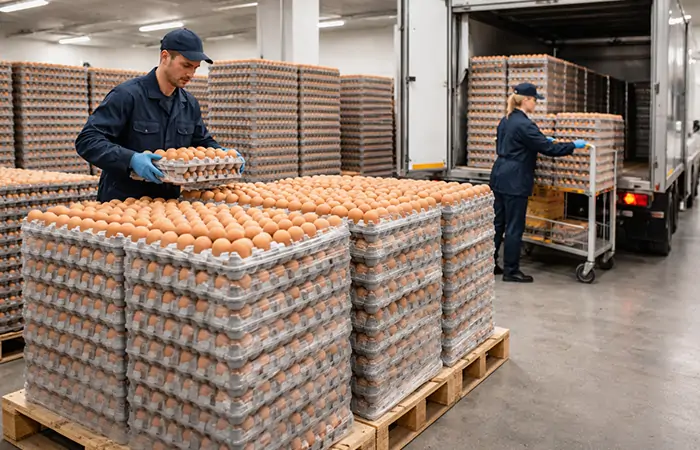
How to Start an Egg Dealer Business
Expanding into distribution can significantly increase profits.
Sales Channels:
- Local markets
- Supermarkets
- Restaurants and hotels
- Wholesale buyers
Key Strategies:
- Strong packaging and branding
- Reliable delivery system
- Competitive pricing
Building a network in the egg distribution business creates long-term revenue streams.
Cost Analysis & Investment Breakdown
Initial Investment:
- Land: varies by location
- Housing & cages
- Equipment
- Day-old chicks
Operational Costs:
- Feed
- Labor
- Electricity
- Veterinary care
Profit Estimation:
- ROI: typically 12–24 months
- Profit depends on scale and efficiency
A well-managed egg farming business can achieve high returns with proper planning.
Common Challenges in Layer Farming
- Fluctuating feed prices
- Disease risks
- Market price instability
- Management inefficiencies
Understanding these risks helps in building a resilient poultry farm.
Tips to Succeed in Poultry Farming Business
- Invest in automation (H-type systems)
- Maintain strict biosecurity
- Source high-quality chicks
- Monitor feed efficiency
- Build strong distribution networks
Scaling gradually is the safest approach for new investors.
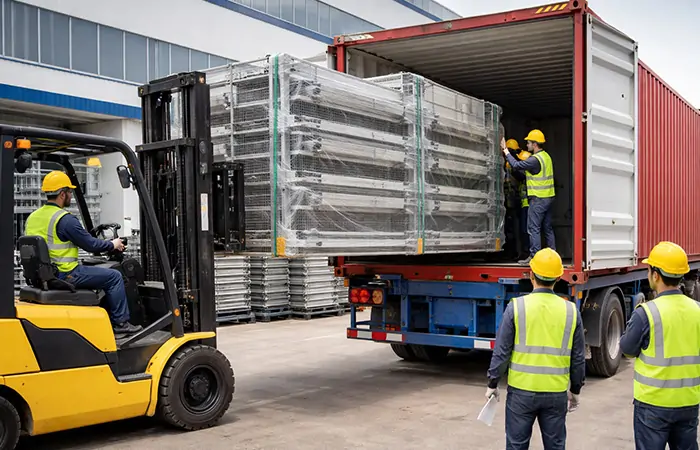
Where to Buy Poultry Equipment for Layer Farms
Choosing the right equipment supplier is critical for long-term success.
What to Look For:
- Experience in poultry equipment manufacturing
- Custom design capability
- Installation support
- After-sales service
Reliable suppliers provide:
- Automatic layer cage systems
- Turnkey poultry farm solutions
- Technical guidance
For B2B buyers, working with an experienced manufacturer ensures better ROI and operational efficiency.
Conclusion
Starting a layer farm for egg production is a highly profitable venture when managed correctly. From selecting the right breeds and equipment to managing feed and health, every step plays a vital role in success.
By combining modern technology, proper planning, and strong market connections, you can build a sustainable and scalable poultry farming business.
If you’re ready to start or expand your farm, investing in high-quality poultry equipment and professional farm design will give you a strong competitive advantage.
 EN
EN  ES
ES  FR
FR  AR
AR  PT
PT  DE
DE