
Introduction
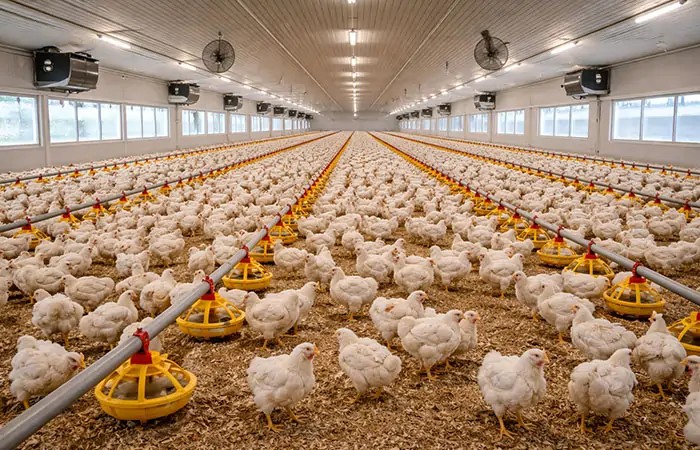
Broiler chickens are the foundation of global poultry meat production. However, as consumer awareness grows, broiler chicken welfare has become a critical issue for producers, retailers, and policymakers worldwide.
Understanding:
-
What are broiler chickens
-
How broilers are produced
-
Broiler chicken life expectancy
-
Welfare challenges in intensive systems
-
The Better Chicken Commitment (BCC)
is essential for poultry investors, broiler farmers, and equipment suppliers operating in modern markets.
This guide provides a complete overview of broiler welfare standards and how production systems are evolving to meet new global expectations.
What Is a Broiler Chicken?
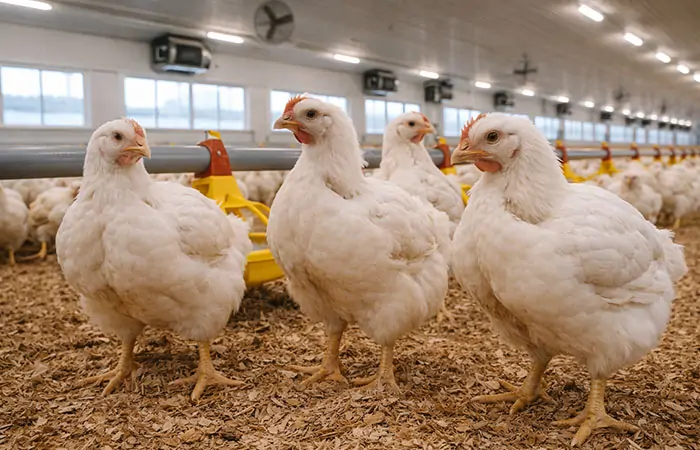
A broiler chicken is a bird raised specifically for meat production. Unlike layer hens, which are bred for egg production, broilers are selected for:
-
Rapid growth rate
-
High feed conversion efficiency
-
Large breast muscle development
Broiler Definition in Poultry
In commercial poultry:
-
Broilers = meat chickens
-
Layers = egg-producing hens
-
Broiler breeder hens = parent birds producing fertilized eggs
When people ask, “What are meat chickens called?” — the answer is broilers.
Broiler Chicken Breeds and Types
Modern broiler production relies on highly specialized breeds.
1. White Broiler Chicken
The most common commercial bird:
-
Fast growth
-
Efficient feed conversion
-
Light-colored processed carcass
2. Red Broiler Chicken
Often used in alternative or free-range systems.
3. Black Broiler Chicken
Used in some niche or regional markets.
4. Slower-Growing Welfare Breeds
Developed to meet higher welfare standards such as those required under the Better Chicken Commitment.
Where Did Broilers Originate?
Broiler production began expanding rapidly in the mid-20th century through selective breeding programs.
Key developments included:
-
Genetic selection for faster growth
-
Vertical integration of hatcheries, farms, and processing plants
-
Industrial-scale broiler production systems
Today, broilers poultry production is one of the most efficient protein production systems globally.
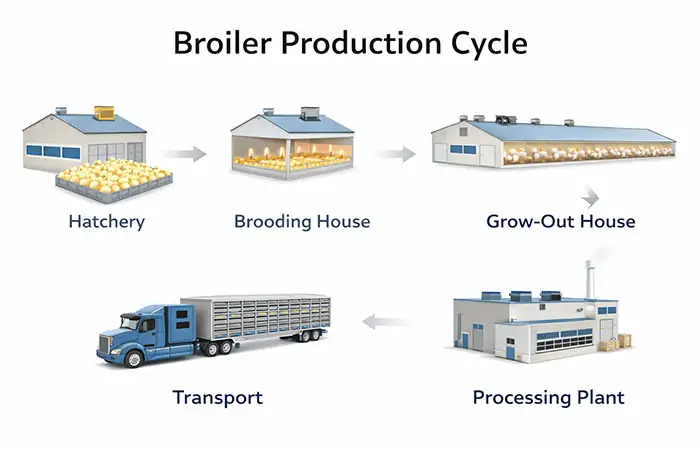
How Broilers Are Produced
Understanding how broilers are produced helps explain welfare concerns.
1. Hatchery Phase
-
Fertilized broiler eggs from breeder hens
-
Incubation for 21 days
-
Day-old chicks delivered to farms
2. Brooding Phase (0–14 Days)
-
Controlled temperature
-
High-protein starter feed
-
Rapid early development
3. Growing Phase (15–35 Days)
-
Accelerated muscle growth
-
Increased feed intake
-
Environmental management critical
4. Finishing Phase (35–45 Days)
-
Birds reach market weight
-
Sent for processing
Modern broiler production typically lasts only 5–7 weeks.
Broiler Chicken Life Expectancy
How Long Do Broiler Chickens Live?
In commercial production:
-
Broiler chicken life expectancy is approximately 35–45 days.
In natural conditions (if not processed):
-
Broilers could potentially live 5–8 years.
-
However, due to rapid growth genetics, long-term health issues may occur.
Welfare Implications of Short Life Cycles
Fast growth can lead to:
-
Skeletal stress
-
Leg disorders
-
Cardiovascular strain
-
Reduced mobility
These concerns are central to modern broiler welfare discussions.
Broiler Breeders and Breeder Hens
Broiler breeders are the parent generation responsible for producing fertilized eggs.
Broiler Breeder Hens
-
Live longer than meat broilers
-
Managed under controlled feeding programs
-
Require careful welfare oversight
Welfare standards increasingly apply not only to meat birds but also to broiler breeder hens.
What Is Chicken Welfare in Broiler Farming?
Chicken welfare refers to the physical and psychological well-being of birds.
Key components include:
-
Adequate space
-
Proper ventilation
-
Access to clean water
-
Balanced nutrition
-
Ability to express natural behaviors
Common Welfare Concerns in Broiler Production
-
High stocking density
-
Rapid genetic growth
-
Limited environmental enrichment
-
Lighting management issues
These concerns led to the creation of formal welfare initiatives such as the Better Chicken Commitment.
What Is the Better Chicken Commitment (BCC)?
The Better Chicken Commitment (BCC) is a global animal welfare initiative supported by retailers, food brands, and NGOs.
It establishes science-based standards for broiler chicken welfare.
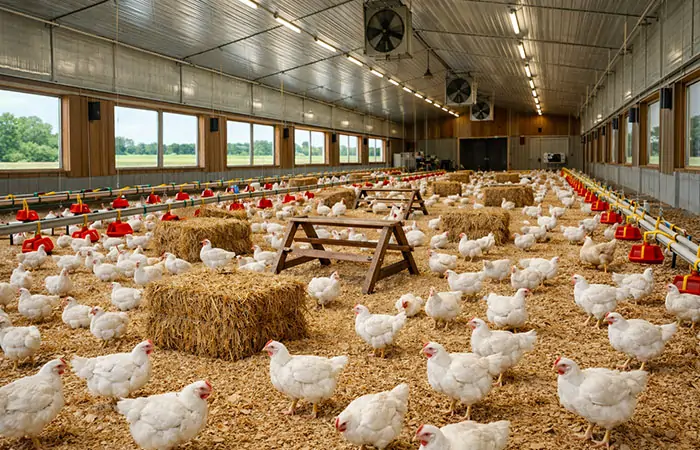
Core Requirements of the Better Chicken Commitment
-
Use of slower-growing broiler breeds
-
Maximum stocking density limits
-
Improved lighting standards
-
Environmental enrichment (perches, pecking objects)
-
Controlled atmosphere stunning at slaughter
The goal is to improve chicken living conditions throughout the production cycle.
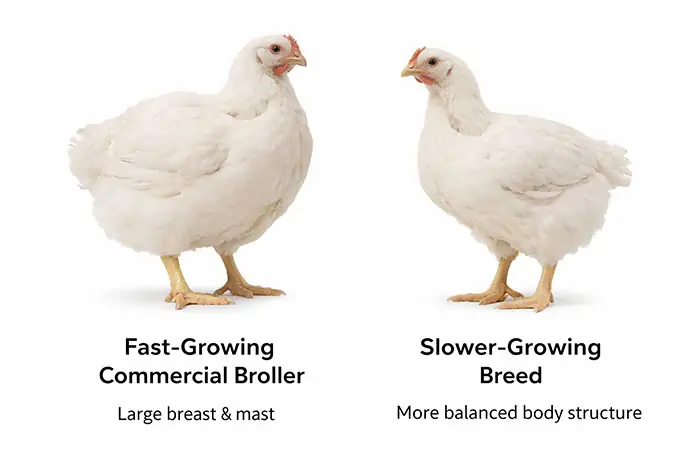
Fast-Growing vs Slower-Growing Broilers
| Feature | Fast-Growing Broilers | Slower-Growing Breeds |
|---|---|---|
| Growth Time | 35–45 days | 50–70+ days |
| Feed Conversion | Highly efficient | Slightly lower efficiency |
| Welfare Performance | Higher risk factors | Improved mobility |
| Production Cost | Lower | Higher |
Transitioning to slower-growing breeds increases production cost but improves welfare outcomes.
Economic Impact of Welfare Standards
Adopting BCC standards affects broiler production in several ways:
Increased Costs
-
Longer growth cycles
-
More feed consumption
-
Lower stocking density
Market Advantages
-
Access to premium retail markets
-
Improved brand reputation
-
Alignment with export requirements
For many producers, welfare compliance is becoming a competitive necessity.
Welfare-Friendly Broiler Housing Systems
Modern equipment plays a critical role in improving broiler welfare.
1. Improved Floor Systems
-
Reduced stocking density
-
High-quality litter management
-
Better airflow
2. Automated Environmental Control
-
Ventilation systems
-
Cooling pads
-
Precision temperature regulation
3. Advanced Feeding & Drinking Systems
-
Uniform feed distribution
-
Reduced competition
-
Clean water access
Technology enables farmers to balance welfare and productivity.
2 Important Facts About Broiler Welfare
-
Modern broilers grow significantly faster than chickens 50 years ago due to genetic selection.
-
Global retailers increasingly require suppliers to comply with welfare frameworks such as the Better Chicken Commitment.
Challenges in Implementing the Better Chicken Commitment
Producers face several challenges:
-
Breed transition management
-
Housing redesign
-
Increased operational cost
-
Supply chain restructuring
Despite these challenges, welfare-focused production is expanding globally.
How Equipment Solutions Support Broiler Welfare
Equipment manufacturers play a key role in improving broiler living conditions by providing:
-
Climate-controlled housing systems
-
Automated feeding systems
-
Ventilation and air quality control
-
Stocking density optimization solutions
Investing in advanced poultry housing equipment helps producers align with modern welfare standards while maintaining productivity.
FAQ: Broiler Chicken Welfare
What are broiler chickens?
Broilers are chickens raised specifically for meat production.
How long do broiler chickens live?
In commercial production, they live approximately 35–45 days.
What is broiler chicken welfare?
It refers to maintaining proper living conditions, health, and humane treatment throughout the bird’s life.
What is the Better Chicken Commitment?
It is a global welfare standard requiring slower-growing breeds, lower stocking density, and improved living conditions.
How are broilers produced?
Through a controlled cycle involving hatcheries, brooding, growing, and processing stages.
Conclusion
Broiler chickens are essential to global meat production, but welfare considerations are reshaping the industry.
Key takeaways:
-
Broiler chicken life expectancy in commercial systems is short.
-
Rapid growth raises welfare concerns.
-
The Better Chicken Commitment promotes higher welfare standards.
-
Modern equipment and housing systems are critical for compliance.
As consumer awareness and regulatory requirements increase, broiler chicken welfare is no longer optional — it is a strategic priority for sustainable poultry production.
 EN
EN  ES
ES  FR
FR  AR
AR  PT
PT  DE
DE