
Introduction
If you are new to poultry farming or researching commercial chicken production, one of the most common questions is:
What are broiler chickens?
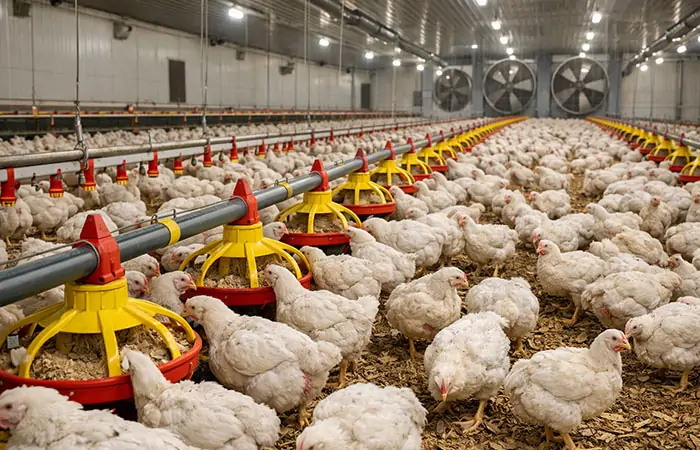
In simple terms, broilers are chickens raised specifically for meat production. Unlike layer hens, which are bred to produce eggs, broiler chickens are genetically selected for rapid growth, high feed efficiency, and maximum meat yield.
Today, broilers poultry farming is one of the largest sectors in global agriculture. This guide explains:
-
The definition of broilers
-
Broiler meaning in poultry
-
Broiler meat production
-
Broiler eggs and whether broilers lay eggs
-
Differences between broilers and layers
-
Modern broiler farming systems
Whether you are a beginner farmer, poultry investor, or equipment distributor, this complete guide will clarify everything you need to know.
Broiler Definition: What Does “Broiler” Mean?
Simple Definition
A broiler is a chicken raised specifically for meat production, characterized by rapid growth, high feed conversion efficiency, and a short production cycle.
This is the standard broiler definition used in the poultry industry.
Broiler Meaning in Poultry
In poultry terminology:
-
Broiler chicken = meat-producing chicken
-
Layer hen = egg-producing chicken
-
Broiler hen = female broiler used for breeding
The word “broiler” originally referred to chickens suitable for broiling (a cooking method). Today, it refers to commercial meat chickens.
What Is a Broiler Chicken?
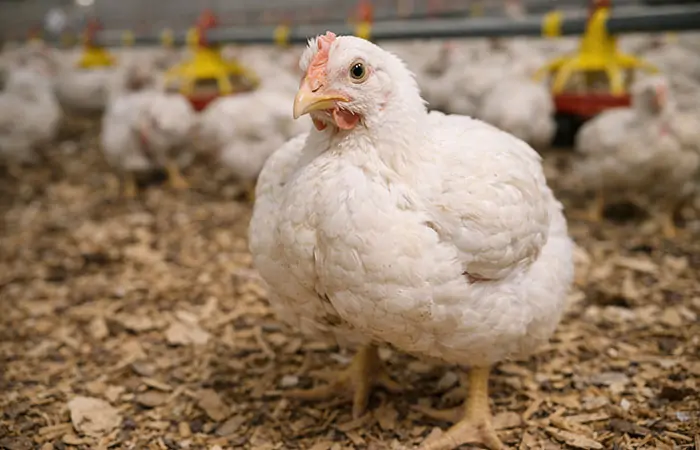
A broiler chicken is a fast-growing bird developed through selective breeding programs to maximize breast muscle and overall meat yield.
Physical Characteristics
Most commercial broilers have:
-
White feathers (white broiler chicken is most common)
-
Broad breast
-
Large thighs
-
Fast muscle development
-
Heavy body weight in a short time
Modern broilers can reach market weight in 35–45 days, which is significantly faster than traditional chickens.
Types of Broiler Chickens
1. White Broiler
The white broiler is the most widely used in commercial production because:
-
It grows faster
-
It has clean-looking processed skin
-
It converts feed efficiently
2. Commercial Hybrid Broilers
Most broiler birds used today are hybrid breeds developed by global breeding companies. These birds are designed for:
-
High growth rate
-
Uniform size
-
Strong disease resistance
3. Live Chicken Broilers
Live chicken broilers refer to birds in the growing or finishing stage before processing.
Broiler Chickens vs Layer Chickens
One of the most common questions is:
What is the difference between broilers and layers?
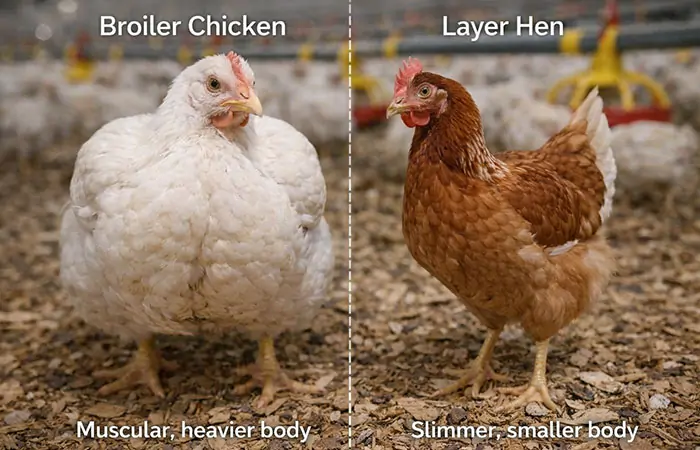
| Feature | Broiler Chickens | Layer Chickens |
|---|---|---|
| Purpose | Meat production | Egg production |
| Growth Speed | Very fast | Moderate |
| Body Size | Heavy, muscular | Light |
| Lifespan in production | 5–7 weeks | 72+ weeks |
| Feed Efficiency | High for meat | High for eggs |
Do Broiler Chickens Lay Eggs?
Yes, broiler chickens can lay eggs. However:
-
They are not efficient egg producers.
-
Broiler hens are not used for commercial egg production.
-
Eggs from broiler breeders are used for hatching broiler chicks.
What Are Broiler Eggs?
Broiler eggs are fertilized eggs produced by broiler breeder hens. These eggs are incubated to produce broiler chicks for meat farms.
They are not typically sold as table eggs for consumption.
Broiler Meat: Why Are Broilers Raised?
Broilers are raised primarily for broiler meat production.
Broiler Chicken Meat Characteristics
-
High protein content
-
Tender texture
-
Large breast portion
-
Efficient feed-to-meat conversion
Why Broiler Meat Is Popular
-
Affordable protein source
-
Short production cycle
-
Scalable farming
-
Strong global demand
When people ask, “What are meat chickens called?” the answer is: broilers.
Broiler Life Cycle
Understanding the broiler life cycle is essential for successful farming.
1. Broiler Chick Stage (0–14 Days)
-
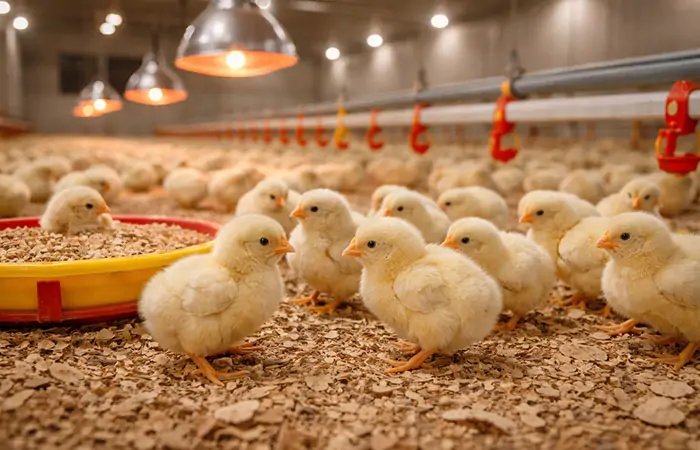
Day-old broiler chicks are placed in brooding houses.
-
Temperature control is critical.
-
High-protein starter feed is used.
2. Growing Stage (15–30 Days)
-
Rapid weight gain occurs.
-
Feed consumption increases significantly.
-
Ventilation becomes important.
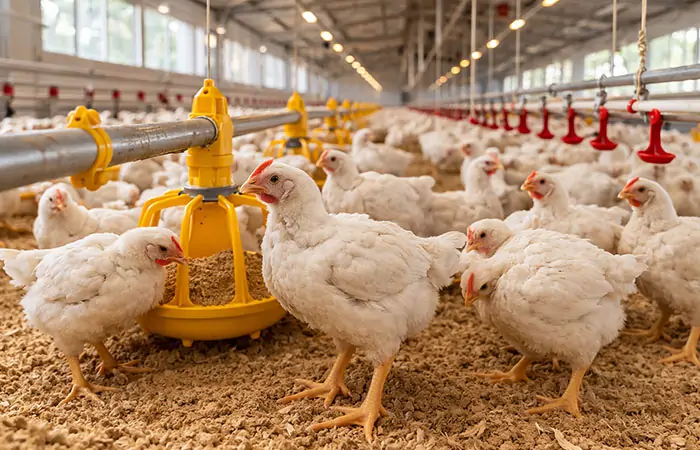
3. Finishing Stage (31–45 Days)
-
Birds reach 2.0–3.0 kg depending on market.
-
Ready for processing.
-
Feed conversion efficiency peaks.
Most broilers are harvested between 5–7 weeks.
Broiler Farming Systems
Modern broiler farming has evolved significantly.
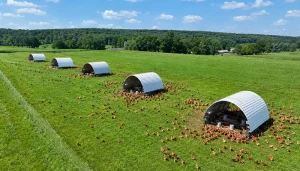
1. Floor System
-
Birds are raised on litter material.
-
Common in small to medium farms.
-
Lower initial investment.
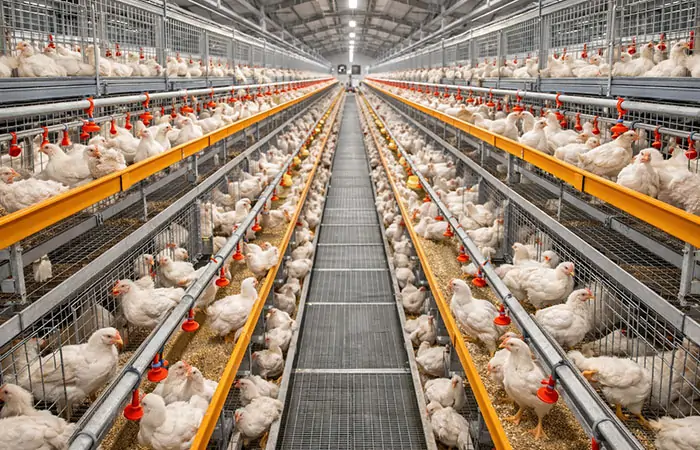
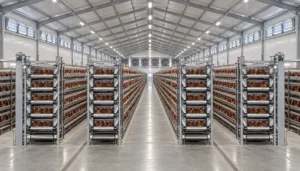
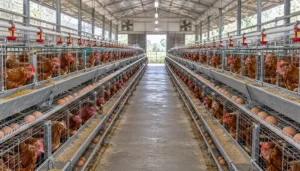
2. Broiler Cage System
Increasingly popular in large-scale production.
Advantages:
-
Higher stocking density
-
Better manure management
-
Reduced disease transmission
-
Improved space utilization
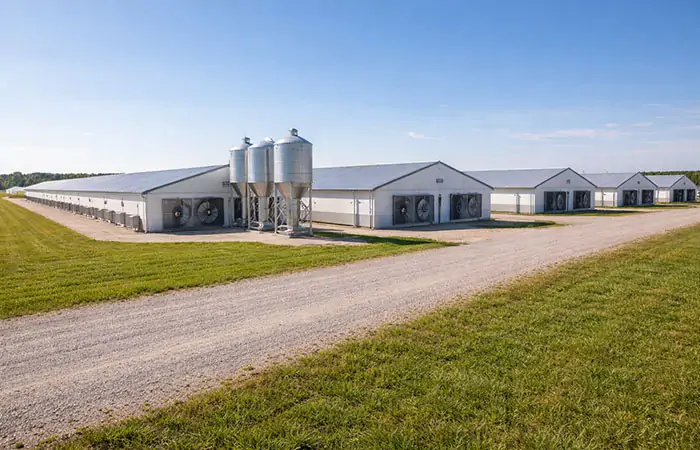
3. Fully Automated Broiler Farms
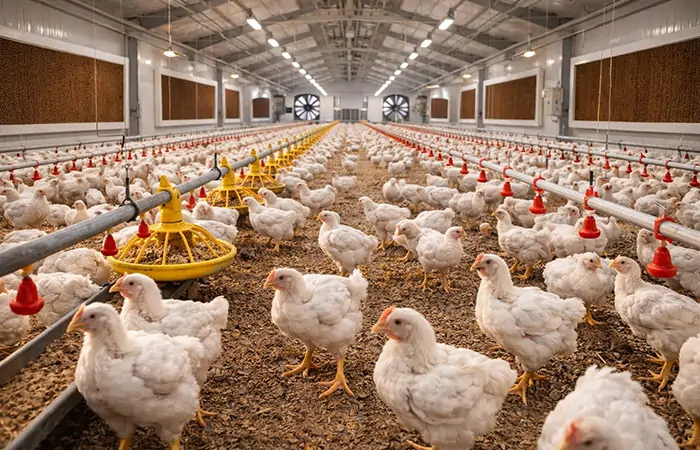
Large commercial broiler farmers use:
-
Automatic feeding systems
-
Nipple drinking lines
-
Ventilation and cooling systems
-
Environmental control systems
Automation improves efficiency and reduces labor costs.
Interesting Facts About Broilers
Here are two important facts about broilers:
-
Modern broilers grow 3 times faster than chickens 50 years ago.
-
Broilers have one of the best feed conversion ratios among livestock animals.
Additional broiler chicken facts:
-
Broilers are one of the most consumed meats worldwide.
-
Global production exceeds billions of birds annually.
-
Broilers are genetically optimized for uniformity and efficiency.
Broiler Eggs vs Table Eggs
Many people confuse broiler eggs with regular eggs.
Broiler Eggs
-
Fertilized
-
Used for hatching
-
Produced by broiler breeder hens
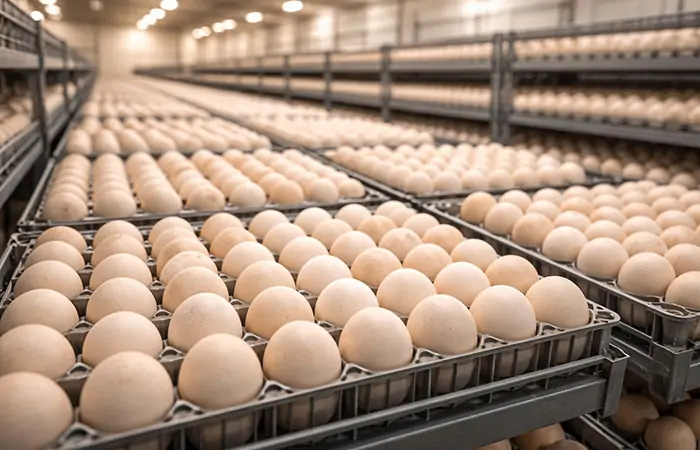
Table Eggs
-
Produced by layer hens
-
Sold for human consumption
Broiler egg production is part of a specialized breeding system separate from commercial meat farms.
Advantages of Raising Broiler Chickens
Broiler farming offers several economic benefits:
1. Short Production Cycle
Only 35–45 days to market weight.
2. High Return on Investment
Quick turnover improves cash flow.
3. Strong Market Demand
Chicken meat is globally accepted.
4. Scalable Business Model
Suitable for small farms and industrial operations.
Equipment Needed for Broiler Farming
To operate a successful broiler farm, the following equipment is essential:
-
Broiler cage system (optional)
-
Automatic feeding system
-
Nipple drinking system
-
Ventilation fans
-
Cooling pads
-
Heating system for chicks
-
Environmental control system
Modern broiler farmers rely heavily on automation to increase productivity and maintain bird health.
Common Questions About Broilers (FAQ)
What are broilers?
Broilers are chickens raised specifically for meat production, characterized by fast growth and high feed efficiency.
What is broiler in poultry?
In poultry farming, a broiler refers to a meat-producing chicken breed.
Do broiler chickens lay eggs?
Yes, but they are not used for commercial egg production. Their eggs are used for hatching chicks.
What is broiler meat?
Broiler meat is chicken meat produced from fast-growing broiler birds.
How long do broilers live?
In commercial production, broilers are typically raised for 5–7 weeks before processing.
Why Broiler Farming Is Growing Worldwide
The global demand for poultry meat continues to rise because:
-
Chicken is affordable.
-
It has lower environmental impact than red meat.
-
Production is efficient.
-
Urbanization increases protein demand.
As a result, broilers poultry farming is expanding rapidly in developing and developed countries alike.
Conclusion
So, what are broiler chickens?
Broilers are meat-producing chickens bred for rapid growth, high efficiency, and maximum meat yield. They are different from layer hens, which are raised for egg production.
Key points:
-
Broiler meaning: meat-producing chicken
-
Growth cycle: 35–45 days
-
Purpose: broiler meat production
-
Eggs: used for hatching, not commercial table eggs
-
Farming: increasingly automated
Broiler farming remains one of the most profitable and scalable sectors in modern agriculture.
If you are planning to start or expand a broiler farm, choosing the right housing system and equipment is critical to long-term success.
 EN
EN  ES
ES  FR
FR  AR
AR  PT
PT  DE
DE