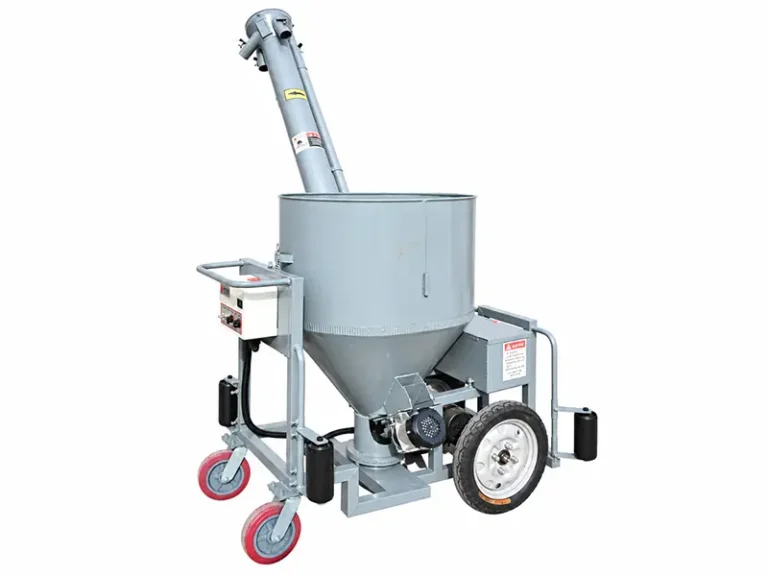
Automatic Chicken Feeder Cart
A practical upgrade for your daily feeding routine.
Automatic Feeder Cart for cage-house feed delivery. Start with your aisle width, trough height and daily feed requirement.
- Electric operation
- Mobile feed delivery
- Farm-based selection

Match the machine to the Chicken Farm.
A feeder cart is one part of a working poultry house. The right configuration starts with how your cages, aisles and feed-handling routine work together.
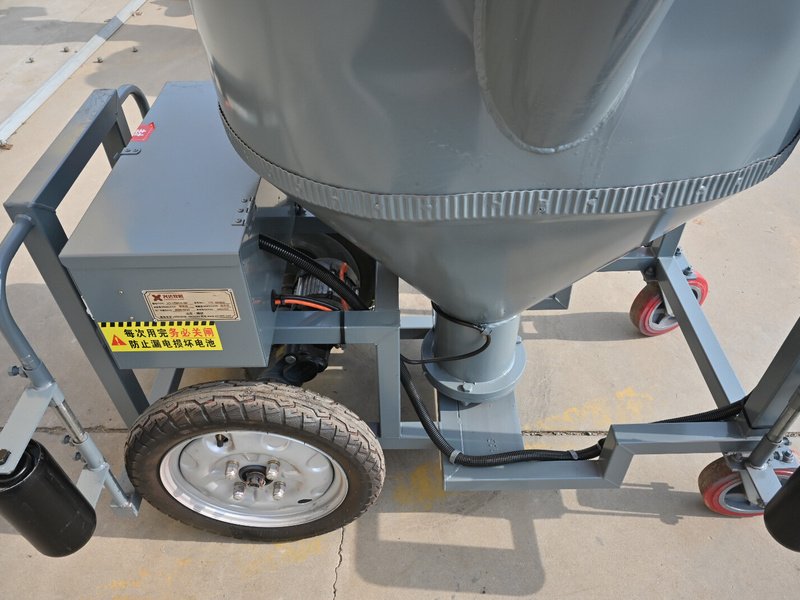
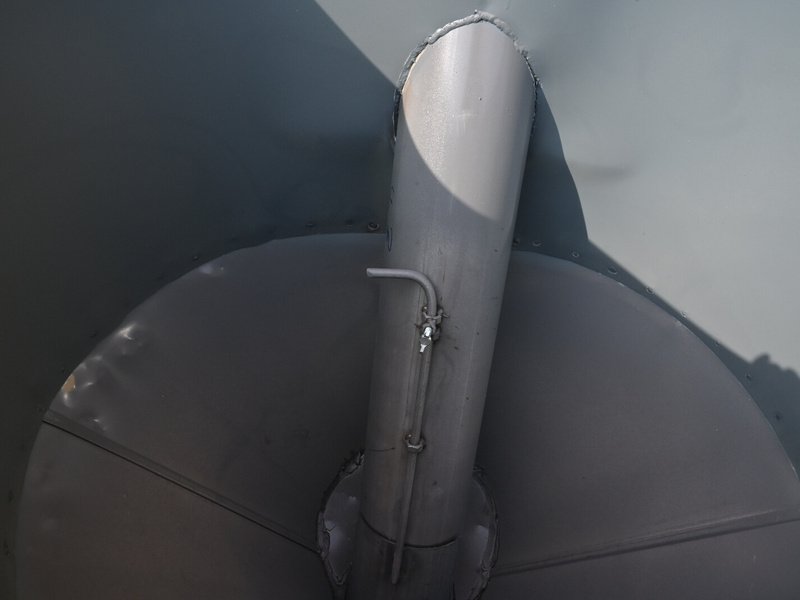
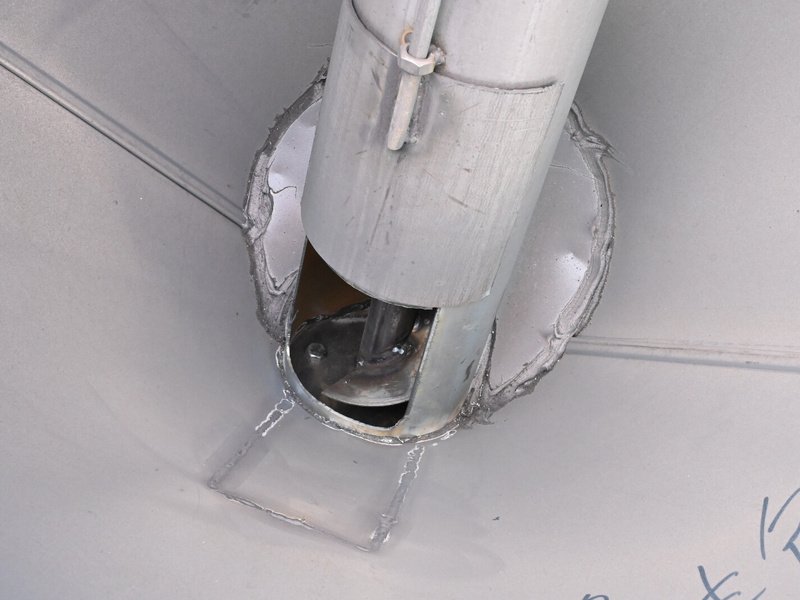
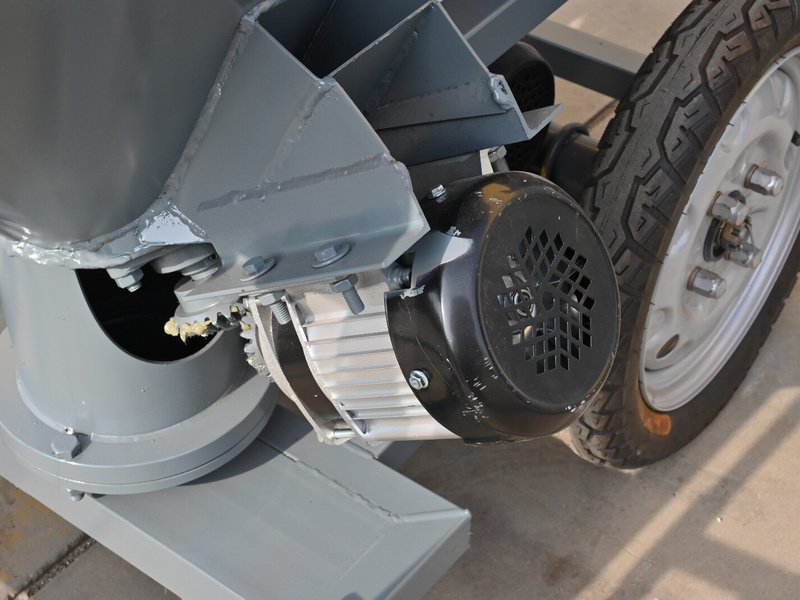
Look closer. Choose with confidence.
Review the components that matter
before selecting a configuration.

01 / FEED STORAGE
Hopper arrangement
Compare hopper shape, loading access and capacity against the feed quantity needed for each round.
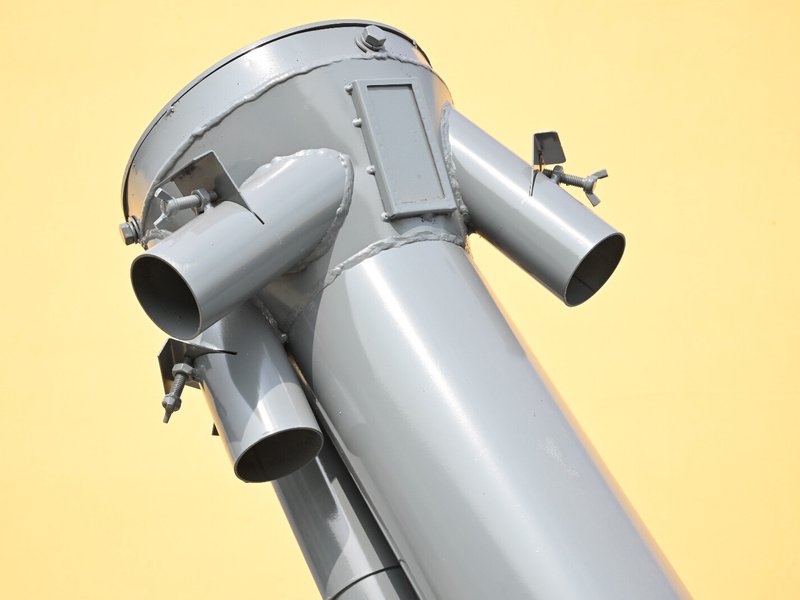
02 / FEED DELIVERY
Discharge & auger
Confirm discharge height, outlet position and compatibility with the feed used on your farm.
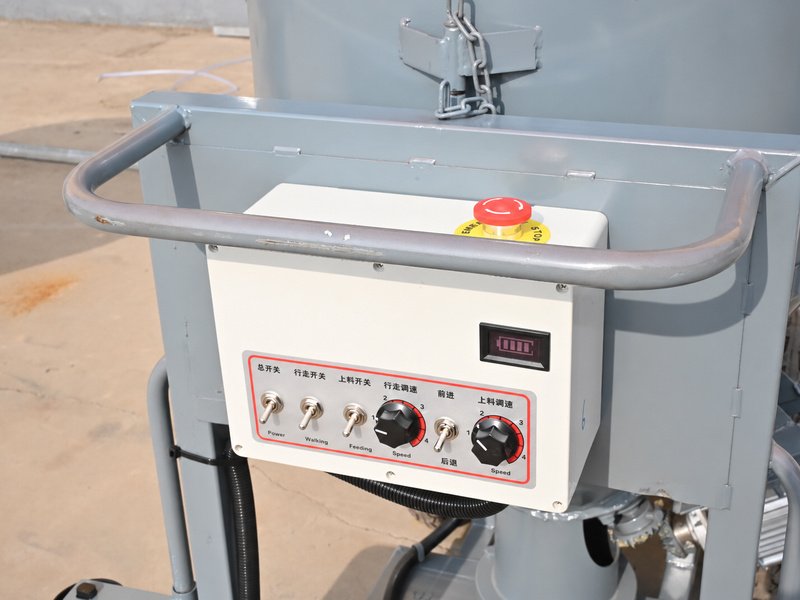
03 / OPERATOR CONTROLS
Control access
Check the control layout, speed adjustment and stop functions on the selected model.
04 / MOBILITY & POWER
Movement & charging
Review machine dimensions, floor conditions, battery specification and charging requirements.
Your cage layout. Your feeding plan.
For an existing poultry house, send cage photographs and a simple aisle measurement. For a new project, share the planned house layout.
Check the stepped cage profile
Measure the aisle at the narrowest point and record each trough height. The trolley and discharge arrangement must suit the actual cage geometry.
Check the stepped cage profile
Measure the aisle at the narrowest point and record each trough height. The trolley and discharge arrangement must suit the actual cage geometry.
Specify what your farm needs.
Use these checkpoints to prepare an enquiry.
Final specifications follow model confirmation.
48V
Battery voltage stated in the reference listing. Confirm the battery, charger and electrical requirements for your selected model.
| Selection item | What to confirm |
|---|---|
| Hopper capacity | Reference listing: 250 / 350 / 400 / 500 kg; availability by model |
| Machine dimensions | Overall width, length, height and turning clearance |
| Cage arrangement | A-type or H-type; tiers and trough heights |
| Lieferung von Futtermitteln | Feed type, discharge height and outlet arrangement |
| Battery & charger | Battery type, capacity, charging supply and plug |
| Order & shipping | Quantity, destination, packing and agreed lead time |
A clear route to the right equipment.
SEE IT WORK
Show the feeding routine,
from loading to delivery.
The finished page should include one continuous operating video: loading the hopper, moving through the aisle and delivering feed to the trough.
A few practical questions.
Compatibility depends on aisle clearance, cage profile, trough position and the selected trolley. Share dimensions and photographs before confirming the configuration.
An electric mobile trolley should not be assumed to be an unattended feeding system. Confirm operator involvement and the functions included with the exact model.
Selection depends on feed per round, distance travelled, loading access and the charging plan. Request the specification sheet for the proposed model.
Provide cage type and tiers, minimum aisle width, trough heights, preferred capacity, order quantity and delivery country.
 DE
 EN
 ES
 FR
 AR
 PT